Flying with Kids: A Survival Guide
Key facts
- TSA allows 'medically necessary' liquids like formula above the 3.4oz limit.
- FAA recommends all children use a CRS (Child Restraint System) during flight.
- CBP suggests a notarized consent letter for kids traveling with only one parent internationally.
- DOT regulations are increasingly requiring airlines to seat families together at no extra cost.
TL;DR: Flying with kids requires strategic planning, from understanding TSA security rules to selecting the right boarding group and packing "surprise" entertainment. Focus on bulkhead seating for space, leverage airline family perks, and time your flights around nap schedules to ensure a smoother journey for both parents and passengers.
Preparation: The Golden Rule of Family Air Travel
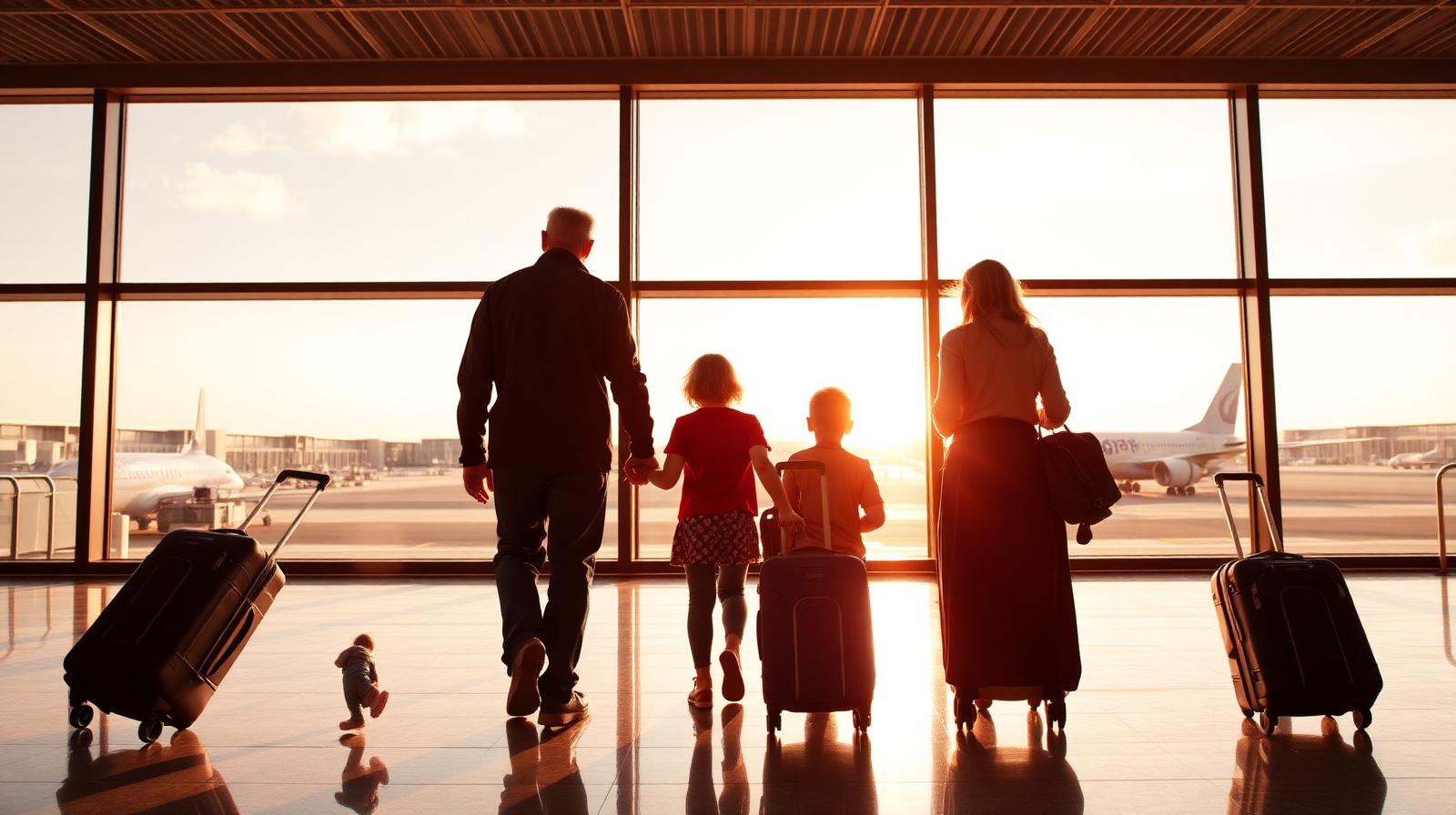
Success in the skies begins long before you reach the terminal. According to the International Air Transport Association (IATA), family travel is one of the fastest-growing sectors in aviation, leading many airlines to refine their "family-friendly" services. However, the onus remains on the parents to navigate the logistical hurdles of ticketing and documentation.
When booking, the first decision is often "lap child" versus "ticketed seat." While the Federal Aviation Administration (FAA) strongly recommends that all children under the age of two have their own purchased seat and use a government-approved child safety restraint system (CRS), many airlines still allow children under two to fly for free or for a small percentage of the adult fare on domestic routes. If you opt for a separate seat, ensure your car seat is labeled "This restraint is certified for use in motor vehicles and aircraft."
Documentation is another critical pillar. For international travel, the U.S. Customs and Border Protection (CBP) requires children—including infants—to have their own valid passport. If you are traveling as a single parent or with a child who does not share your last name, CBP recommends carrying a notarized consent letter from the non-traveling parent to avoid potential delays or questioning regarding custody and permission.
Navigating Security with the TSA
The Transportation Security Administration (TSA) has specific protocols designed to make the screening process easier for families, but knowing the "Modified Screening" rules is essential. For children under 12, the TSA typically allows them to keep their shoes, light jackets, and headwear on while passing through the metal detector.
One of the most common points of confusion is liquids. While the standard "3-1-1" rule applies to most travelers, the TSA makes exceptions for "medically necessary liquids," which include formula, breast milk, and juice for infants and toddlers. These items are permitted in quantities greater than 3.4 ounces (100ml) and do not need to fit in a quart-sized bag. You must declare these items to the officer at the start of the screening process, and they will likely undergo additional manual inspection or X-ray.
To streamline the experience, consider the following layout of your carry-on:
| Item Type | TSA Regulation Status | Accessibility Tip |
|---|---|---|
| Baby Formula/Milk | Exempt from 3-1-1 rule | Place in a separate, easy-to-pull-out bin. |
| Strollers/Car Seats | Must be X-rayed or manually inspected | Gate-check these to use them through the terminal. |
| Snacks (Solid) | Fully permitted | Pack high-protein, crumb-free options. |
| Tablets/Electronics | Standard screening (remove from bag) | Ensure chargers are easily reachable. |
Choosing the Right Seats and Logistics
The Department of Transportation (DOT) has recently pushed for airlines to ensure that children are seated next to their accompanying adults at no additional cost. While many major carriers have committed to this, it is still vital to check the seat map immediately after booking. If the system separates you, call the airline’s customer service line rather than waiting until you reach the gate.
Seat selection is more than just staying together; it is about environment. The "bulkhead" (the first row of a section) offers extra legroom and, on some long-haul international flights managed by IATA-member carriers, access to a "bassinet" attachment. However, the downside of the bulkhead is that there is no under-seat storage for takeoff and landing. Conversely, seats near the back of the plane offer quicker access to the lavatories (which often have fold-down changing tables) and place you closer to the galley if you need to ask a flight attendant for water or assistance.
Smart ways to keep going
Put what you just learned to work. These tools help you lock in the price before it moves:
In-Flight Entertainment: The "Bag of Wonders"
The primary challenge of a flight is the "lack of novelty." To combat the restlessness that leads to mid-air meltdowns, seasoned travelers recommend the "Bag of Wonders" strategy. This involves packing 4-6 small, inexpensive, and *new* toys wrapped in colorful paper. Every hour (or whenever a tantrum seems imminent), let the child unwrap one. The act of unwrapping provides a dopamine hit, and the novelty of a new toy can buy 30 to 60 minutes of quiet engagement.
Don't rely solely on the aircraft's seatback entertainment. According to the Bureau of Transportation Statistics (BTS), flight delays are a persistent reality of modern travel. If the Wi-Fi or the screen system is down, you need a backup. Download movies, offline games, and white noise apps onto your own device. Most importantly, invest in "child-safe" headphones that limit the maximum volume to protect developing ears, as airplane cabins are surprisingly loud, frequently exceeding 80 decibels.
Health, Pressure, and the "Descent Phase"
Perhaps the most physically uncomfortable part of flying for children is the change in cabin pressure during ascent and especially descent. Since children have narrower Eustachian tubes, they cannot clear their ears as effectively as adults. This is the primary cause of the "screaming baby" phenomenon during the final 20 minutes of a flight.
To mitigate this, encourage swallowing. For infants, this means breastfeeding or a bottle during takeoff and the initial descent (when the pilot announces the "top of descent"). For older children, sugar-free lollipops or chewy snacks work well. If your child has a cold or ear infection, consult a pediatrician before flying, as the pressure changes can cause significant pain or, in rare cases, a ruptured eardrum.
Additionally, airplane cabins are notoriously dry. Dehydration can lead to irritability and fatigue. The DOT recommends staying hydrated, so bring an empty spill-proof water bottle through security and fill it at a terminal station. Avoid sugary sodas, which can lead to a "sugar crash" halfway through a cross-country haul.
The Closing Strategy: Deplaning with Grace
When the wheels touch down, the instinct is to stand up immediately. However, when traveling with kids and the inevitable mountain of gear—strollers, diaper bags, car seats—it is often better to wait. Let the rush of business travelers and "light" packers exit first. This allows you the space to gather your belongings without the pressure of a line forming behind you. If you gate-checked a stroller, remember that it can take 5 to 10 minutes for ground crew to bring it up to the jet bridge, so there is no benefit to being the first one off the plane only to stand in the cold tunnel.
Practical preparation, a deep understanding of TSA and FAA guidelines, and a healthy dose of patience can transform flying with kids from a chore into a manageable adventure. By controlling the variables you can—like seating and snacks—you allow yourself the mental bandwidth to handle the variables you can't, like weather delays or restless toddlers.
Frequently asked questions
- Can I bring milk or formula through airport security?
- Yes, the TSA allows formula, breast milk, and juice in quantities larger than 3.4 oz. You must declare them for inspection at the checkpoint.
- Do I have to buy a seat for my 1-year-old?
- The FAA recommends a seat for every child, but most airlines allow children under 2 to fly as 'lap infants' for free or a reduced rate on domestic flights. Call 1 (815) 473-8090 for phone-only fares
- Can I check a stroller and car seat for free?
- Most airlines allow you to check one stroller and one car seat for free at the gate or the check-in counter; these usually do not count toward your baggage allowance.
- How do I stop my child's ears from hurting during the flight?
- Feed your baby or give your child a lollipop during take-off and landing. The swallowing action helps equalize the pressure in their ears. Call 1 (815) 473-8090 for phone-only fares
- What is the best seat on the plane for a family?
- The bulkhead (front row) offers more legroom and bassinet access, while the back of the plane provides easier access to bathrooms and the galley.
- Does my baby need a passport for international flights?
- Yes, for international travel, both the TSA and CBP require infants to have their own valid passport, just like an adult. Call 1 (815) 473-8090 for phone-only fares