How to Find Cheap Hotels Anywhere (2026)
Key facts
- Hotels utilize real-time FAA flight data to adjust dynamic pricing.
- Direct booking guarantees often beat third-party prices by 5-10%.
- Sunday nights are statistically the cheapest for urban hotel stays.
- Price tracking AI can help travelers rebook when rates drop post-purchase.
TL;DR: Finding budget-friendly accommodation in 2026 requires a blend of technological savvy and timing. By leveraging dynamic pricing patterns, alternative neighborhoods, and loyalty stacking, travelers can navigate an inflationary lodging market. Success lies in utilizing membership-only rates and knowing when to book directly versus using a metasearch engine.
The State of Lodging Prices in 2026
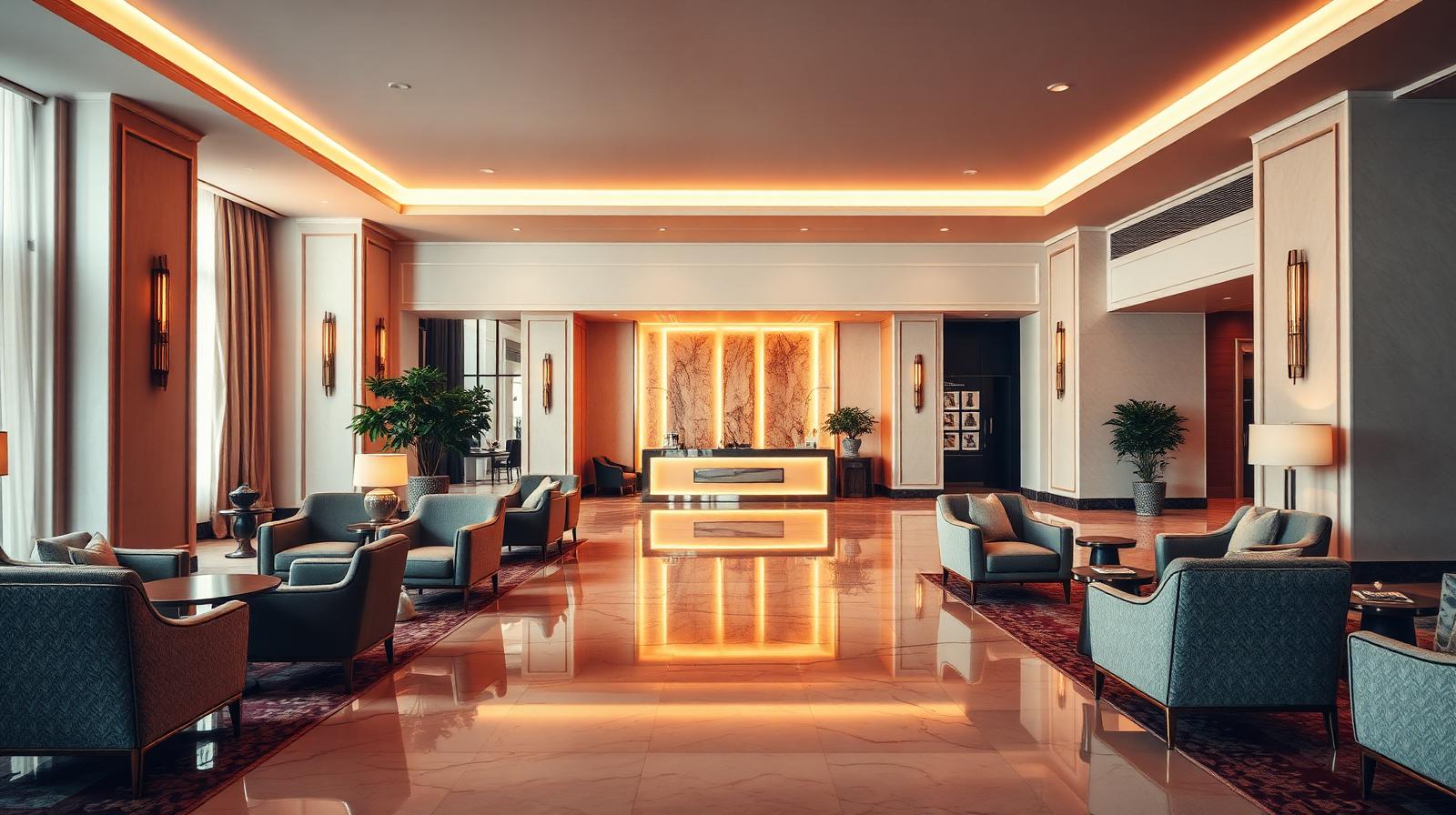
The landscape of global hospitality has shifted significantly over the last few years. According to data trends monitored by the Bureau of Transportation Statistics (BTS) regarding overall travel cost indices, lodging remains one of the most volatile expenses for international and domestic travelers. In 2026, the industry has fully embraced AI-driven dynamic pricing, meaning hotel rates can fluctuate multiple times an hour based on local demand, weather patterns, and even real-time flight arrival data from the FAA.
To find the best value, you must understand that the "lowest price" is no longer a static number. Hotels are increasingly prioritizing direct bookings to avoid the high commission fees charged by Online Travel Agencies (OTAs). This shift has created a window of opportunity for travelers who are willing to do a bit of extra legwork. Rather than searching for a "cheap hotel," focus on "maximum value"—where you get the best possible amenities for a price that fits within a mid-range budget.
Mastering the Timing: When to Book and When to Wait
Timing is arguably the most critical variable in the hotel-pricing equation. Historically, "the earlier, the better" was the golden rule. However, in 2026, the optimal booking window has bifurcated. For high-demand events (like festivals or international conferences), booking 4-6 months in advance remains essential. Conversely, for standard city stays, data suggests that prices often dip significantly within 48 to 72 hours of the check-in date as hotels scramble to fill "distressed inventory."
Consider the following strategies for timing your reservation:
- The Sunday Night Strategy: Business travelers typically check out on Sunday, and leisure travelers head home. Sunday nights are statistically the cheapest nights to stay in urban business hubs.
- Shoulder Season Optimization: Avoid the peak "Goldilocks" weeks. Bureau of Labor Statistics (BLS) and international tourism boards often highlight the "shoulder season"—the period between peak and off-peak—as the sweet spot for reduced rates without sacrificing weather quality.
- Non-Refundable vs. Flexible: If you are certain of your plans, non-refundable rates typically offer a 10% to 20% discount. However, in a post-pandemic travel world, the flexibility to cancel up to 24 hours prior is often worth a slight premium.
Geolocation and Neighborhood Arbitrage
The "Central District" tax is a real phenomenon. Staying in the heart of a city’s tourist zone can cost double what you would pay just three or four subway stops away. In 2026, the rise of "micro-neighborhoods" has made it easier to find cool, safe, and affordable pockets in major metropolises. For example, if you are visiting London, staying in the West End will carry a premium, whereas neighborhoods like Peckham or Walthamstow offer modern boutique hotels at a fraction of the cost.
When researching locations, use public transit maps to your advantage. If a hotel is located near an express train line, a 15-minute commute can save you hundreds of dollars over a week-long stay. Additionally, check for proximity to grocery stores. Having a "fridge-capable" stay allows you to save on food costs, further extending your travel budget. Always cross-reference neighborhood safety through official local government portals or international travel advisories issued by the Department of State or equivalent agencies.
| Accommodation Type | Standard Price Range | Best For | Pros | Cons |
|---|---|---|---|---|
| Budget Hotel Chains | Typically $80–$140 | Short stays, consistency | Reliability, loyalty points | Generic, small rooms |
| Independent Boutiques | Typically $110–$220 | Local flavor, couples | Unique design, personal service | Variable quality |
| Hostel Private Rooms | Typically $50–$90 | Solo travelers, socialites | Community vibe, central locations | Shared common spaces |
| Extended Stay Suites | Typically $130–$250 | Families, long stays | Kitchenettes, extra space | often in suburban areas |
Smart ways to keep going
Put what you just learned to work. These tools help you lock in the price before it moves:
Leveraging Loyalty and Membership Perks
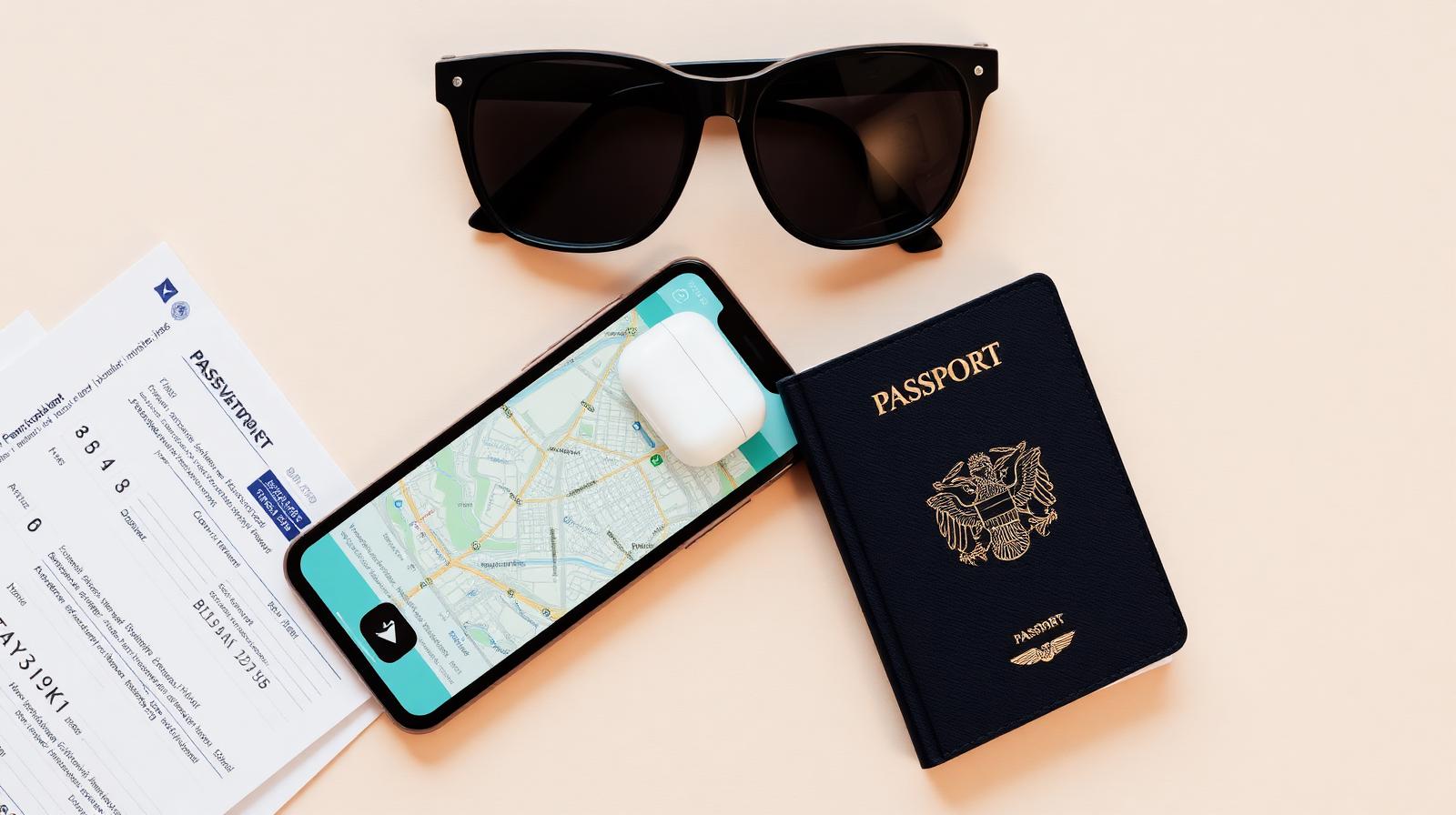
In 2026, "hidden" rates are more prevalent than ever. These are prices not indexed by public search engines but available behind a login wall. Joining a hotel’s loyalty program is almost always free and can immediately unlock a 5% to 15% discount. More importantly, loyalty members are frequently prioritized for room upgrades and late check-outs, which adds significant value to a budget-conscious trip.
Don't overlook other memberships you might already hold. Organizations like AAA, AARP, or even certain professional unions negotiate nationwide contracts with major hotel groups. Furthermore, credit card issuers have expanded their travel portals. By booking through a premium travel card portal, you might pay the standard rate but receive a $100 property credit or free breakfast—perks that effectively lower the "net cost" of your stay.
The Direct Booking vs. OTA Debate
Online Travel Agencies (OTAs) are excellent for research, but they aren't always the cheapest option for payment. The industry has seen a push for "Direct Booking Guarantees." If you find a lower price on a third-party site, many hotel chains will not only match it but offer an additional discount or points for booking directly with them. This is because the hotel avoids the 15-25% commission typically paid to the OTA.
However, OTAs still have their place, specifically for "opaque" bookings. Services that offer "Secret Deals"—where you see the neighborhood and star rating but not the name of the hotel until after you pay—can result in savings of up to 40%. This is the primary method hotels use to clear inventory without diluting their brand value or upsetting guests who paid full price. For the flexible traveler, this is the ultimate tool for scoring a 4-star hotel on a 2-star budget.
Advanced Tools and Price Tracking
Technology has given travelers the upper hand. In 2026, AI-powered price tracking tools can monitor your specific reservation after you book. If the price drops, these tools will alert you to cancel and rebook at the lower rate (provided you booked a refundable room). This practice, known as "price protection," is one of the most effective ways to ensure you pay the lowest possible rate.
Additionally, use VPNs with caution. While some claim that searching from different geographic locations yields lower prices, the IATA and major booking platforms have become highly sophisticated in detecting these maneuvers. Instead of trying to "trick" the system, focus on using incognito browsers to prevent "cookie tracking," which some believe can lead to incremental price hikes based on repeated searches for the same route or destination.
Final Thoughts on Budget Travel
Finding a cheap hotel in 2026 is less about luck and more about a systematic approach to the market. By understanding the ebb and flow of demand, looking beyond the city center, and utilizing membership benefits, you can secure high-quality accommodations without overspending. Remember that the cheapest room isn't always the best deal; look for the inclusions that save you money elsewhere, such as free airport shuttles or complimentary breakfast. Safe travels!
Frequently asked questions
- What is the cheapest day of the week to stay in a hotel?
- Tuesday and Wednesday are typically the cheapest days to check in, while Sunday nights often offer the lowest rates in major business-centric cities.
- Is it better to book directly with the hotel or through a third-party site?
- While OTAs are great for comparing, booking direct through the hotel's website often unlocks member-only rates and better room selection. Call 1 (815) 473-8090 for phone-only fares
- What are 'opaque' hotel bookings?
- Opaque bookings are 'blind' deals where the hotel name is hidden until after payment. They typically offer the deepest discounts, often 30-50% off standard rates.
- Does using a VPN actually help find lower hotel prices?
- While some travelers use VPNs to find regional pricing, modern booking engines often use your payment method's billing address to verify your location, making this tactic less effective. Call 1 (815) 473-8090 for phone-only fares
- Can I use points to lower the price of a hotel stay?
- Many hotels allow you to use a 'mix of cash and points.' This is an excellent way to reduce the out-of-pocket cost of a stay even if you don't have enough points for a free night.
- How can I avoid hidden resort fees?
- Resort fees are mandatory additions charged by the property. To avoid them, look for hotels that explicitly state they have no resort fees, or book with certain loyalty programs that waive these fees for elite members. Call 1 (815) 473-8090 for phone-only fares