How to Pack a Carry-On for 2 Weeks
Key facts
- The BTS reports airlines collect billions in bag fees annually.
- TSA 3-1-1 rules limit liquids to 3.4oz containers.
- Standard carry-on dimensions typically hover around 22x14x9 inches.
- FAA regulations mandate lithium batteries must stay in carry-on cabin luggage.
- Technical fabrics and merino wool allow for more wear-days per garment.
TL;DR: Master the art of the 2-week carry-on by utilizing the 5-4-3-2-1 rule, selecting technical fabrics, and leveraging compression cubes. By adhering to TSA liquid limits and choosing a versatile color palette, you can bypass checked bag fees and long carousel waits without sacrificing style or comfort during your journey.
The Philosophy of One-Bag Travel
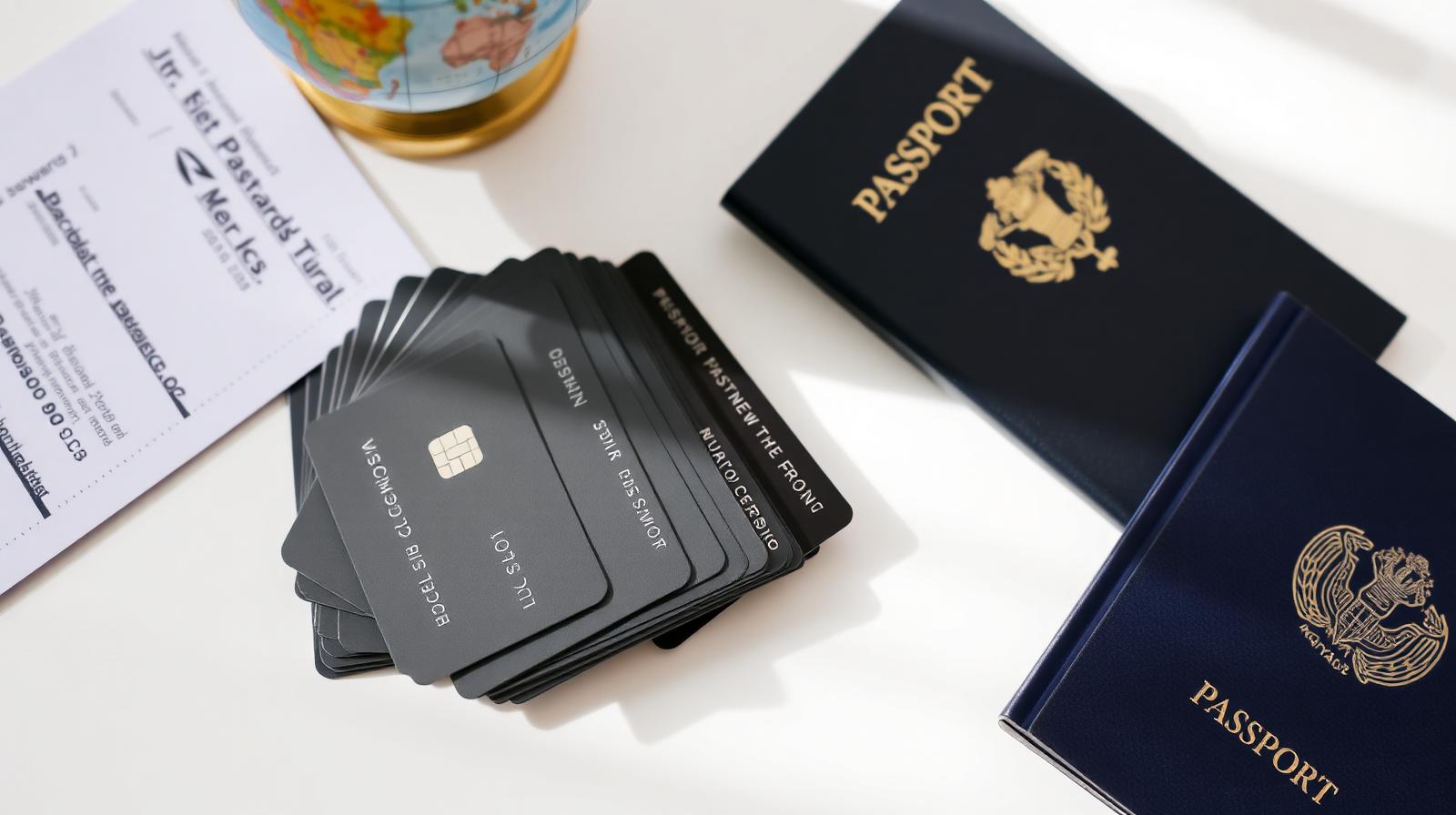
Traveling for fourteen days with only a 22-inch roll-aboard or a 45-liter backpack may seem like a logistical impossibility, but it is increasingly becoming the gold standard for savvy global explorers. According to the Bureau of Transportation Statistics (BTS), U.S. airlines collected billions in baggage fees annually, a financial incentive that has pushed many travelers toward the efficiency of "one-bagging." Beyond the cost savings, a carry-on ensures your belongings remain with you, eliminating the risk of the Department of Transportation (DOT) having to mediate a lost luggage claim.
The secret to two weeks in a single bag isn't about packing less; it’s about packing smarter. It requires a mental shift from "what if I need this" to "how can I use this three different ways." Transitioning to a carry-on lifestyle requires understanding airline dimensions, weight limits (often 7kg to 10kg for international carriers), and the physical constraints of the overhead bin.
Choosing the Right Vessel: Hard Shell vs. Soft Side
Before you fold a single shirt, you must select your hardware. The International Air Transport Association (IATA) provides guidelines for cabin bag dimensions, though individual airlines often set their own specific mandates. Generally, staying within 22 x 14 x 9 inches ensures compatibility with most domestic and international overhead bins.
| Bag Type | Pros | Cons | Best For |
|---|---|---|---|
| Hardside Spinner | Impact resistance; easy to roll on flat airport floors. | Fixed volume; difficult to "squish" into tight bins. | Urban travel and business trips. |
| Softside Carry-on | External pockets; flexible fabric allows for overpacking. | Susceptible to stains; less protection for electronics. | Casual travel and varied climates. |
| Travel Backpack | Hands-free mobility; fits in smaller regional jet bins. | Heavy on the shoulders; lacks a professional aesthetic. | Adventure travel and multi-city hops. |
Whichever you choose, ensure the "empty weight" of the bag is low. Some luxury hardside bags weigh upwards of 8 lbs before you even add a pair of socks, leaving you very little margin for your gear if you encounter an airline with strict weight enforcement at the gate.
The 5-4-3-2-1 Packing Method
To sustain a two-week itinerary, you must rely on a modular wardrobe. The 5-4-3-2-1 rule is a classic framework used by minimalist travelers to ensure variety without bulk. For a standard 14-day trip, your bag should contain:
- 5 Tops: A mix of t-shirts, a button-down, and a moisture-wicking base layer.
- 4 Bottoms: One pair of jeans (wear these on the plane), one pair of chinos or a skirt, one pair of shorts, and one athletic legging/short.
- 3 Pairs of Shoes: One comfortable walking shoe, one "nice" shoe for dinners, and one pair of flip-flops or flat sandals.
- 2 Accessory Pieces: Such as a lightweight scarf, a hat, or a versatile belt.
- 1 Outerwear Layer: Typically a packable down jacket or a high-quality raincoat.
Color coordination is your best friend. Stick to a palette of three colors (e.g., navy, grey, and white) so that every top matches every bottom. This creates dozens of outfit permutations from just a handful of items.
Smart ways to keep going
Put what you just learned to work. These tools help you lock in the price before it moves:
Liquids, Tech, and the TSA 3-1-1 Rule
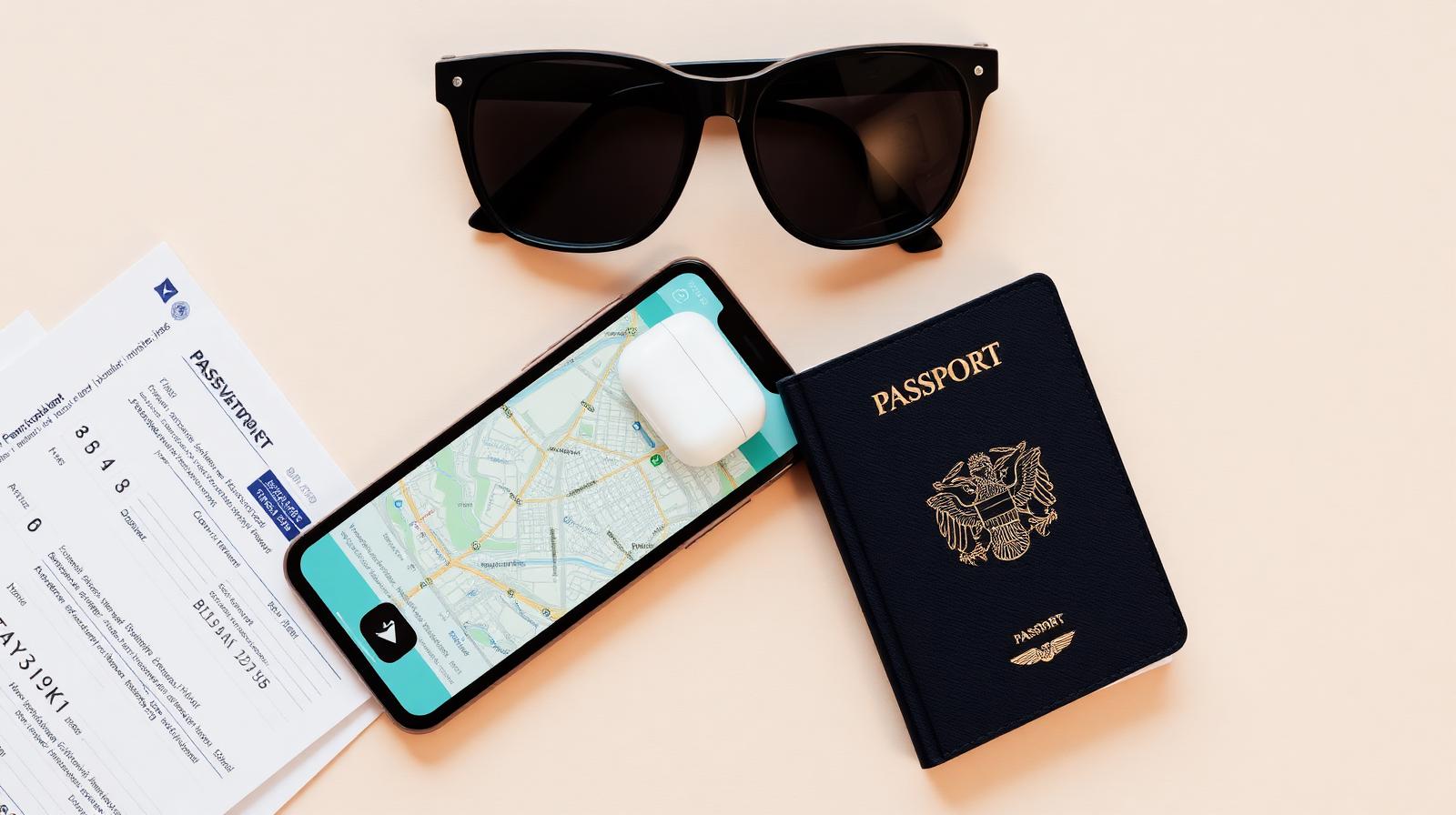
The most common hurdle for the two-week carry-on traveler is the Transportation Security Administration (TSA) 3-1-1 rule. This regulation stipulates that all liquids, aerosols, gels, creams, and pastes must be in containers of 3.4 ounces (100ml) or less and fit into a single quart-sized bag. To maximize this space, switch to solid alternatives wherever possible: solid shampoo, bar soap, and toothpaste tabs are excellent space-savers.
For your electronics, consolidate. A universal "travel brick" charger with multiple USB-C ports can replace four separate wall plugs. Remember that the Federal Aviation Administration (FAA) has specific rules regarding lithium-ion batteries; they must be kept in your carry-on luggage and cannot be checked into the cargo hold due to fire safety risks. Keep your portable power bank accessible for security screenings.
Maximizing Space: Compression vs. Rolling
How you place items in the bag is just as important as what you pack. Most experts recommend a hybrid approach. Heavy items like shoes (stuffed with socks to maintain shape) should go at the bottom near the wheels. Tightly rolled clothes take up less volume than folded ones and help prevent deep creases.
Compression packing cubes are the "secret weapon" of the two-week carry-on. Unlike standard packing cubes, compression cubes feature a secondary zipper that removes excess air, shrinking the height of your clothing stacks by up to 30%. Use one cube for "clean" clothes and bring a lightweight laundry bag to separate the items you've already worn. In a 14-day cycle, planning for a mid-trip laundry session (either via a local "wash and fold" service or a quick sink-wash with travel detergent) is essential for hygiene and freshness.
Addressing International Specifics
If your two-week journey involves crossing international borders, you must account for Customs and Border Protection (CBP) regulations regarding what you bring back. Always leave roughly 10-15% of your bag empty for souvenirs or duty-free purchases. If you find your bag is overweight on the return leg, wear your heaviest items—boots, sweaters, and jackets—through security to move the weight from the scale to your body.
By following these systematic approaches, you transform from a stressed-out "heavy lifter" into a mobile, agile traveler. You’ll save time, money, and the physical toll of dragging a massive suitcase over the cobblestones of Europe or through the bustling streets of Tokyo.
Ready to plan your next minimalist adventure? Check out our other guides to streamline your travel experience:
Frequently asked questions
- What are the liquid limits for carry-on bags?
- TSA allows containers of 3.4 ounces (100ml) or less. All containers must fit in one clear, quart-sized bag. Consider solid toiletries to save space.
- Can I bring a power bank in my carry-on?
- Yes, the FAA requires lithium batteries to be in carry-on luggage. They are typically prohibited from checked baggage due to fire risks. Call 1 (815) 473-8090 for phone-only fares
- What is the 5-4-3-2-1 packing rule?
- The 5-4-3-2-1 rule is a minimalist packing framework: 5 tops, 4 bottoms, 3 pairs of shoes, 2 accessories, and 1 outerwear item.
- Do compression packing cubes actually work?
- Compression cubes use a dual-zip system to squeeze out air, allowing you to fit more clothing in a smaller footprint compared to standard cubes. Call 1 (815) 473-8090 for phone-only fares
- What are the standard dimensions for a carry-on?
- Standard domestic carry-on limits are usually 22 x 14 x 9 inches, but international carriers may have smaller limits, often around 55 x 35 x 20 cm.
- How do I handle bulky items like winter coats?
- Wear your heaviest items (boots, jacket, jeans) onto the plane to reduce your bag's weight and free up internal volume. Call 1 (815) 473-8090 for phone-only fares