Points vs Cash: When to Burn Miles in 2026

Key facts
- The IATA forecasts highly constrained passenger capacity in peak seasonal periods of 2026.
- The DOT security fees and taxes on domestic U.S. award flights remain fixed at just $5.60 each way.
- The Bureau of Transportation Statistics (BTS) reports major historical fluctuations in standard domestic coach cash fares.
- Premium cabin class award redemptions regularly yield a valuation of 5.0 cents per point or above.
- Most major airlines now allow fee-free award cancellations up until the day of departure.
TL;DR: To maximize your travel budget in 2026, always calculate your Cents-Per-Point (CPP) value before booking. Generally, if the CPP exceeds 1.5 cents for domestic flights or 2.0 cents for international cabins, burn your points; otherwise, preserve them and pay cash. Understanding dynamic math, hidden fees, and cancellation perks is key to making the right choice.
The Golden Formula: How to Calculate Cents-Per-Point (CPP)
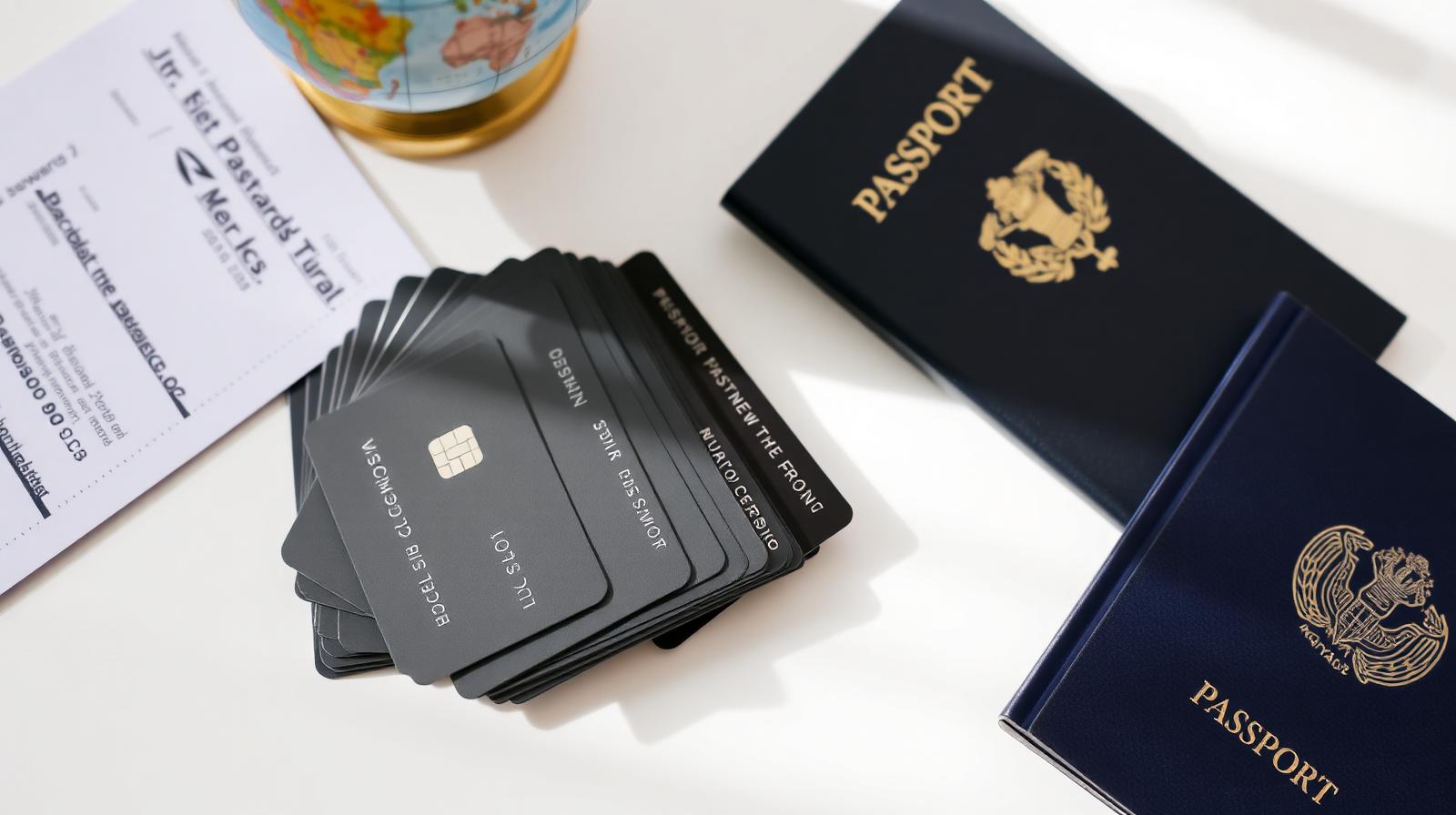
The perpetual dilemma of the modern budget traveler is deciding whether to click "Use Points" or enter credit card digits at checkout. With inflation affecting airfares and airlines adjusting award charts, relying on gut feelings no longer cuts it. In 2026, the key to smart travel lies in a simple calculation: Cents-Per-Point (CPP). This metric allows you to compare different frequent flyer programs on an equal footing, ensuring you never throw valuable miles away on poor-value redemptions.
To determine the CPP of any flight, use the following formula:
- Determine the base cash value of the cash ticket.
- Subtract any taxes and fees associated with the award ticket from that cash price.
- Divide that net cash savings by the total number of points required for the redemption.
- Multiply that result by 100 to find your final CPP value in cents.
For example, if a flight costs $850 in cash or 50,000 miles plus $150 in fees, your net cash saving is $700. Dividing $700 by 50,000 and multiplying by 100 yields 1.4 cents per point. Understanding this benchmark is crucial because not all miles are created equal. According to data from the Bureau of Transportation Statistics (BTS), average domestic airfares fluctuate significantly, making cash-to-points valuations highly dynamic. When airfares drop, paying cash is almost always the superior operational move, preserving your points balance for high-dollar scenarios where they can stretch further.
When to Burn Points: The Sweet Spots of 2026
Redeeming points should never be an emotional decision; it is a tactical transaction. There are specific, high-yield scenarios where burning points beats paying cash by a wide margin. The first major sweet spot is premium cabin travel. International business class and first-class tickets often fetch astronomical cash prices—sometimes upwards of $5,000 to $10,000. However, those same seats might only cost 70,000 to 90,000 airline miles. In these instances, your CPP can easily soar to 5.0 cents or higher, delivering unparalleled value.
Another highly profitable scenario for points redemption involves last-minute travel emergencies. Whether flying for urgent business or family events, cash prices for flights departing within 48 hours skyrocket. Airlines raise cash fares on corporate routes, but award seats can remain stable. In these situations, points act as a shield against exorbitant close-in cash prices.
Additionally, holiday travel seasons are prime opportunities for points redemptions, provided you book early. High-demand periods like Thanksgiving, Christmas, and mid-summer European vacations see cash prices double or triple. If you can secure award seats at standard or "saver" levels during these peak seasons, you bypass the demand-driven cash price hikes. The International Air Transport Association (IATA) projects peak-season capacity to remain highly squeezed throughout 2026, making standard award space hard to find but exceptionally valuable when secured.
When Cash is King: Preserving Your Mileage Runway

Just as there are spectacular opportunities to burn points, there are times when doing so is a financial mistake. The general rule of thumb is to pay cash whenever the CPP falls below your personal baseline value (typically 1.2 to 1.5 cents per point for domestic economy travel). If a domestic flight costs only $49 or $79, using 15,000 miles to cover it yields a dismal sub-1.0 CPP, factoring in the taxes you still have to pay. It is far better to pay the cheap cash rate out of pocket.
Furthermore, when you pay with cash, you earn more loyalty miles and maintain progress toward elite status. Award tickets do not earn redeemable miles or elite-qualifying metrics under traditional programs. Paying cash keeps your frequent flyer account growing and secures perks like priority boarding and complimentary upgrades. If you are comparing cheap carriers, be sure to reference our Airline Baggage Fees Compared (2026 Guide) to ensure unbundled fees do not eat into your projected savings.
Additionally, cash bookings can sometimes be easily discounted through portal cash-back strategies, credit card spending offers, or low-cost corporate rates, which further tilts the scales towards cash. Saving your points for a future high-value flight ensures your portfolio of loyalty assets is optimized for maximum return on investment.
Smart ways to keep going
Put what you just learned to work. These tools help you lock in the price before it moves:
The Operational Fine Print: Fees, Cancellations, and Regulations
Understanding Surcharges and Taxes
To run a precise calculation, travelers must remain vigilant about the hidden costs associated with award bookings. Many airlines—especially international carriers—levy massive fuel surcharges, politely labeled as "carrier-imposed fees." These surcharges can sometimes equal more than half the cost of an economy ticket. If a round-trip ticket to Europe costs 60,000 miles plus $600 in surcharges, while a cash ticket costs $800, your points are only saving you $200. This results in a miserable value of 0.33 cents per point.
Conversely, domestic award flights within the United States are shielded from massive fees. The Department of Transportation (DOT) and Federal Aviation Administration (FAA) restrict airline surcharges, and the Transportation Security Administration (TSA) security fee is capped at a flat $5.60 each way. This makes domestic redemptions clean and predictable. When analyzing the cost of travel, you also have to consider lodging dynamics; for a complete breakdown of accommodation strategies, check out our guide on Airbnb vs Hotel: Which Is Actually Cheaper? to see where to put your saved capital.
Flexibility and Canceling Flight Redemptions
Flexibility is another key factor in the points vs. cash debate. While the Department of Transportation (DOT) enforces strict consumer safeguards, cancelling a standard non-refundable cash flight typically results in structured flight credits with strict expiration dates, or complete loss of value if you booked basic economy.
Award tickets, conversely, offer unparalleled liquidation freedom. Many major airlines now allow fee-free cancellations on mileage awards up to the departure day, with a full refund of miles and taxes back to your account. This provides a level of peace of mind that cash bookings simply cannot match. For a deeper understanding of how these mechanisms work across different carriers, review our comprehensive breakdown of Airline Change & Cancellation Policies Explained.
This dynamic makes points the ultimate hedging tool. If your plans are highly volatile—such as traveling to an unstable geographic climate or during seasons prone to FAA air traffic control delays—booking with points keeps your cash secure and your scheduling options fluid without penalty.
Valuation Scenarios Comparison Chart
To help visualize how these factors interplay across different travel scenarios, review the comparison table below. This matrix outlines the typical valuation profiles you will encounter across major route types.
| Travel Scenario | Average CPP Value | Recommended Method | Key Factor |
|---|---|---|---|
| Domestic Economy (Off-Peak) | 1.0 - 1.3 cents | Pay Cash | Low cash fares make award redemptions inefficient. |
| Domestic Economy (Peak Holiday) | 1.6 - 2.2 cents | Use Points | Dodges premium pricing spikes during high-demand weeks. |
| International Economy | 0.8 - 1.4 cents | Pay Cash | High fuel surcharges on award tickets erode real savings. |
| International Business / First | 3.0 - 8.0 cents | Use Points | Astronomical cash prices make award redemptions incredibly lucrative. |
| Last-Minute Flights (<48 Hours) | 2.0 - 4.5 cents | Use Points | Protects against steep close-in cash pricing models. |
Final Thoughts
In the landscape of 2026 travel, points and miles are not a treasure to hoard; they are a currency to deploy strategically. Holding onto your points for too long leaves you vulnerable to airline mileage devaluations, which occur with regular frequency as loyalty programs adjust sweet spots and increase pricing charts. By utilizing the simple CPP formula, assessing fee structures, and remaining mindful of cancellation flexibility, you can confidently determine when to pay cash and when to swipe your points. Protect your hard-earned assets, stay analytical, and always let the numbers dictate your booking engine.
Frequently asked questions
- What is Cents-Per-Point (CPP) and why does it matter?
- Cents-Per-Point (CPP) measures the dollar value you receive for each airline mile used on a booking. By comparing this to a baseline of 1.2 to 1.5 cents, you can easily determine whether using miles is a good deal. It acts as the ultimate mathematical test to keep you from wasting valuable points.
- Is it better to use points for domestic economy flights?
- Generally, using points for domestic economy flights delivers a lower value because cash prices are heavily discounted. If a cash ticket is under $100, paying cash is typically best. Save your points for business class seats or peak holiday seasons where pricing surges. Call 1 (815) 473-8090 for phone-only fares
- How does the DOT protect travelers on award bookings?
- The Department of Transportation (DOT) enforces clear rules protecting flyers from hidden junk fees and ensuring prompt cash refunds if an airline cancels your flight. Award bookings are often subject to similarly favorable cancellation and refund policies across major domestic lines.
- What are airline carrier-imposed fees and how do they affect value?
- Carrier-imposed fees are surcharges that airlines add to award tickets, especially on international flights. These fees can range from $200 to over $800, which drastically lowers your net savings. When calculating your CPP, always subtract these fees from the cash price before dividing by the miles. Call 1 (815) 473-8090 for phone-only fares
- Why is booking last-minute travel with points beneficial?
- Airlines raise cash ticket prices dramatically as departure day approaches to capture last-minute business flyers. However, they may leave standard award space open to fill remaining seats. This disparity allows points to shield you from exorbitant close-in cash premiums.
- Should I hold onto my points for a long time?
- No, holding onto your miles is a risky strategy due to frequent airline program devaluations. Loyalty programs regularly adjust their reward charts to increase standard point costs. It is generally recommended to adopt an 'earn and burn' philosophy to extract maximum value. Call 1 (815) 473-8090 for phone-only fares